“Jarring, humorous vividity.”
Patrick O’Connor, Founder – Outlaw Blues Society, Wichita, Kansas
A Little Background
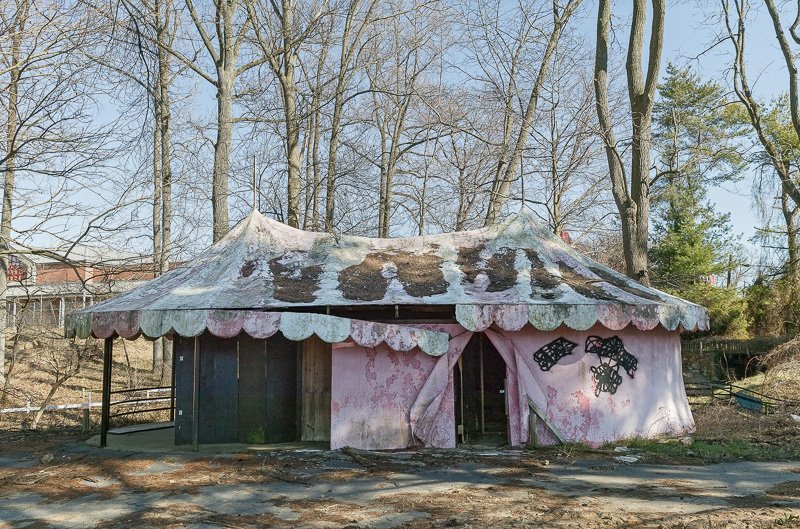
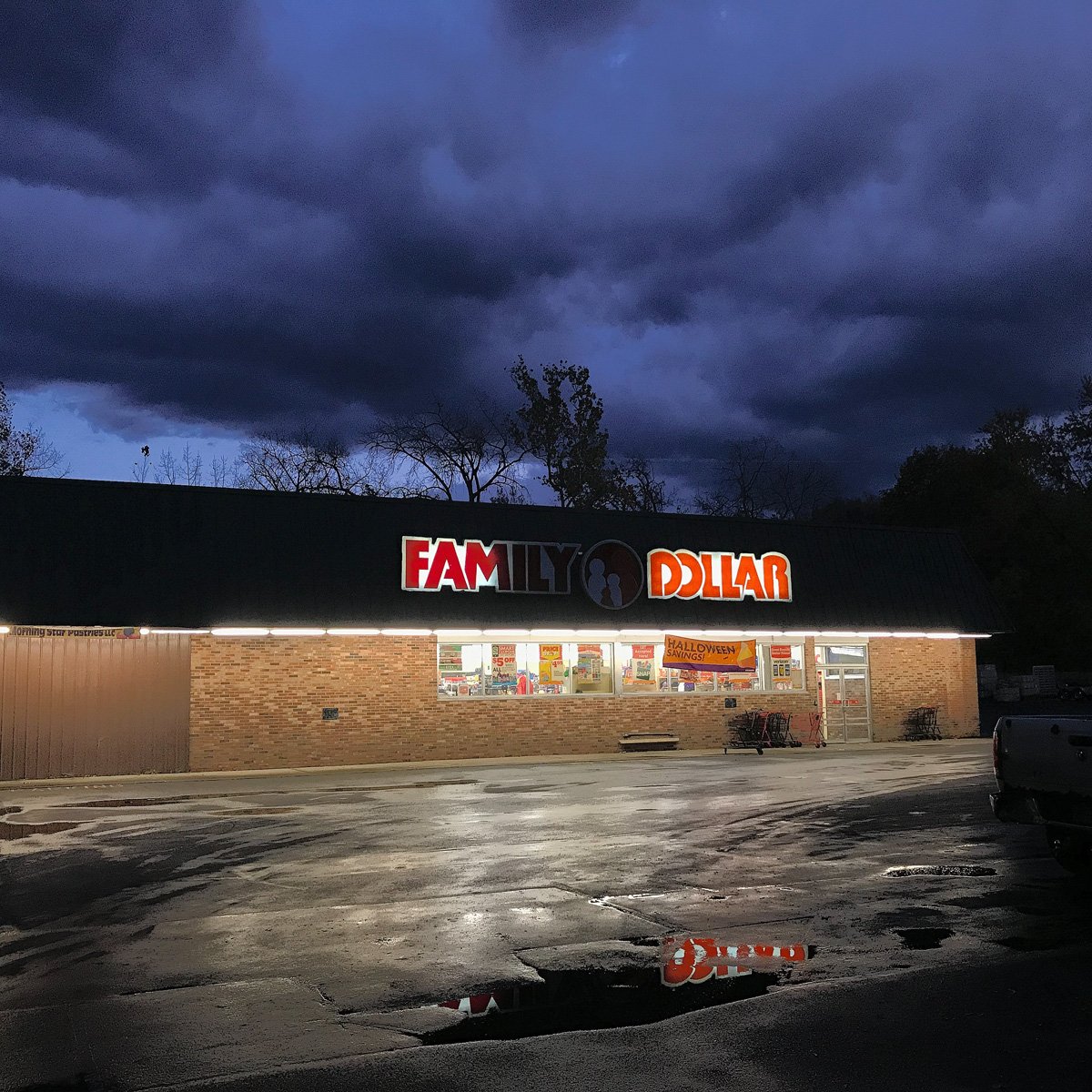
The project began during a visit to my boyhood home in Maryland. I took a drive one day out US 40 aka Baltimore National Pike, that led me by my childhood Shangri-La: the Enchanted Forest in Ellicott City. The place was one of those Disneyland knockoffs that sprouted up in the fifties, this one being organized around a Mother Goose theme. It was April 2006, the Enchanted Forest was being demolished to make way for a shopping center. There was a lump in my throat, watching the wrecking ball make short work of Cinderella’s Castle. Could the demise of the Enchanted Forest serve as a perverse metaphor for the state of the national mind and the excesses of “late-stage” capitalism? What sort of society destroys a children’s theme park to build a shopping center? Underneath it all was a feeling of anguish.
Back home in the Mohawk Valley of New York, I continued looking for photographs that existed in that strange, slim netherworld between sad and funny. As the lyric goes, “I’m laughing to keep from crying”. This has been my credo since I was in swaddling clothes and will be my credo until the day I shuffle off this mortal coil. This attitude has gotten me in plenty of trouble over the years, but it’s also saved my ass on a number of occasions.
An Economic History of the USA Since 1963
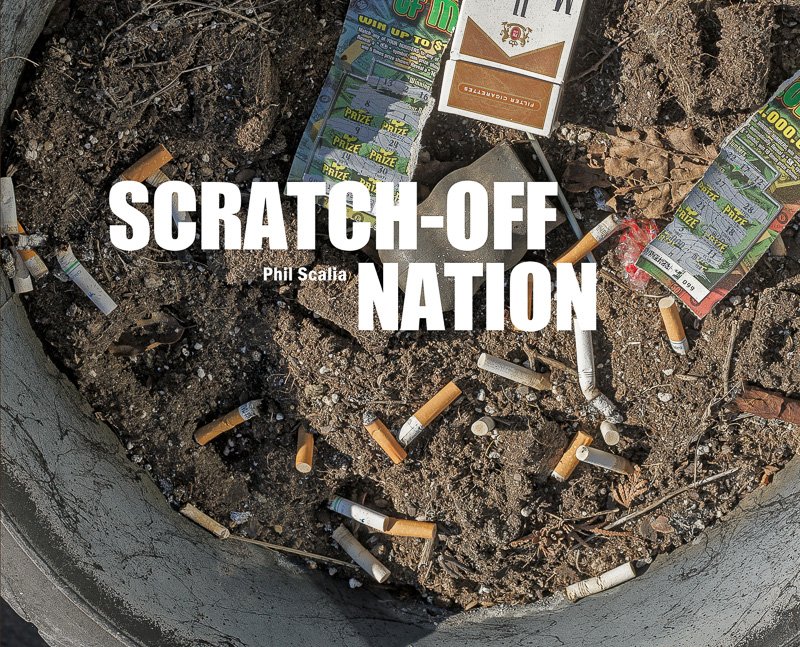
You may be wondering why the book is called Scratch-Off Nation. To answer that I need to digress into a brief and slightly wonky economic history. Some of this history I’ve researched and some of it I’ve lived.
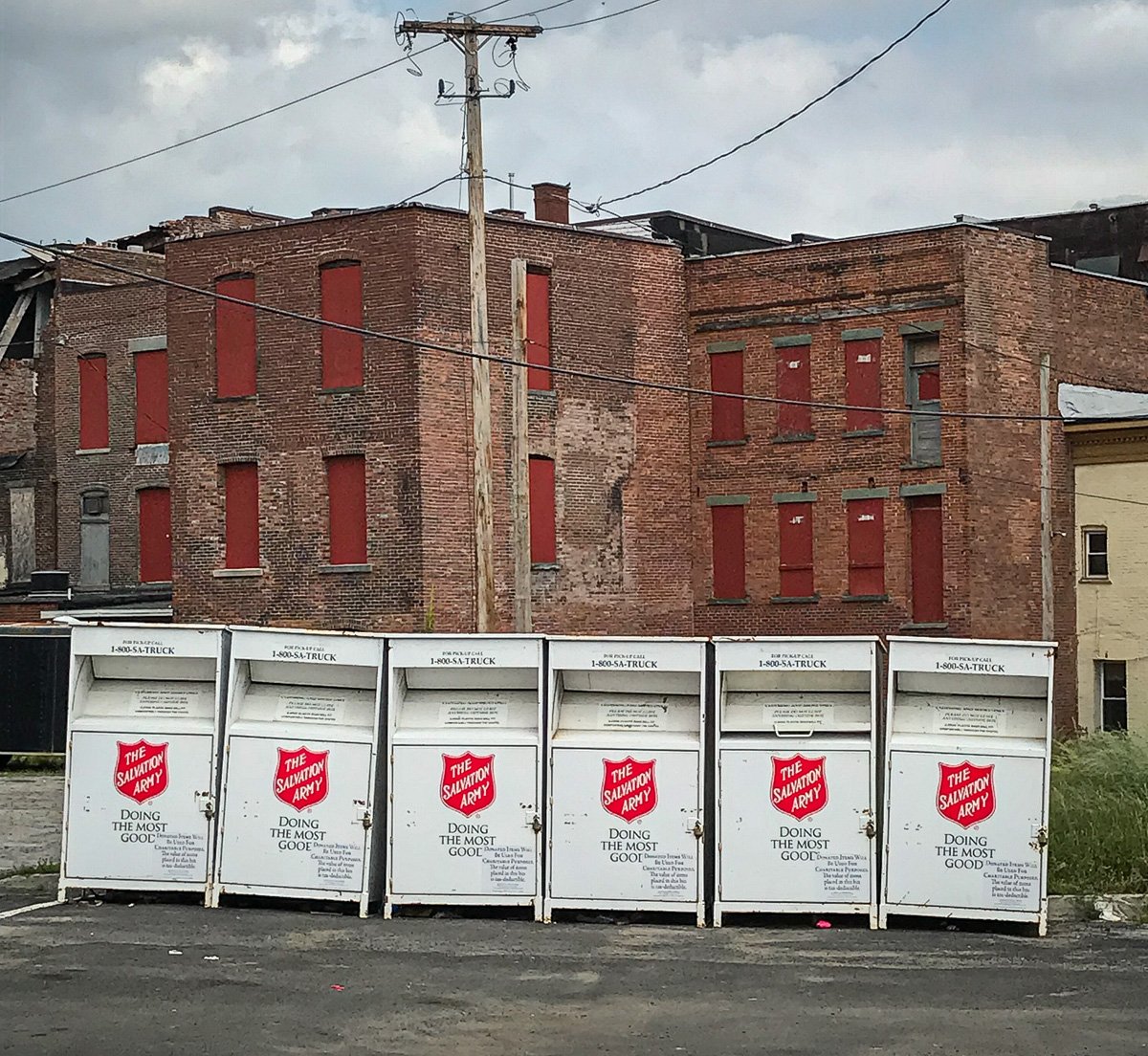
The assassination of JFK on 11/22/63 – and its aftershocks – brought the post-war American Golden Age to an end, though we didn’t know it at the time. Within two months the Beatles came on the scene, seemingly overnight to my adolescent self. The middle class began a retreat in the seventies that continues to this day. Usury – the charging of excessive interest – prohibited by every major religion – was effectively legalized in 1978, by an obscure Supreme Court decision called Marquette v. First of Omaha. Citibank was the first to move its headquarters to South Dakota where it could charge 20+% interest. Smart money poured into the financial sector. Credit cards became universal in the eighties. Manufacturing globalized, unions tanked, jobs evaporated, schools declined, incarceration rates exploded. Also in this period, health care costs began to spiral out of control. By 2000, tens of millions of Americans wallowed in debt servitude. America became Flint, Michigan. Economists call these downward trends Neo-feudalism.
The Growth of Lotteries
A cascade of states legalized lotteries in the seventies and eighties. I remember returning to Maryland during that period, after a lengthy absence, being astonished to see a long line of people in the liquor store on a Friday afternoon. They’d just been paid, they were buying lottery tickets, and they were spending ten, twenty, fifty dollars. This was all new to me. We had become… Scratch-Off Nation.
A review from @photobookfinder :
I stumbled across Phil’s kickstarter months ago. His images and the title immediately caught my attention. Then I read his writing and the way he articulated this project and I was sold. Phil is a thoughtful artist who has a keen sense or irony and composition. And like those before him, he’s shooting what he’s living. These are his daily views. Quite a perspective. And quite a feat to be able to be in it and outside of it at the same time. I love that his goal was $2,500 and 29 backers got him across the finish line. Congrats Phil. Great book.
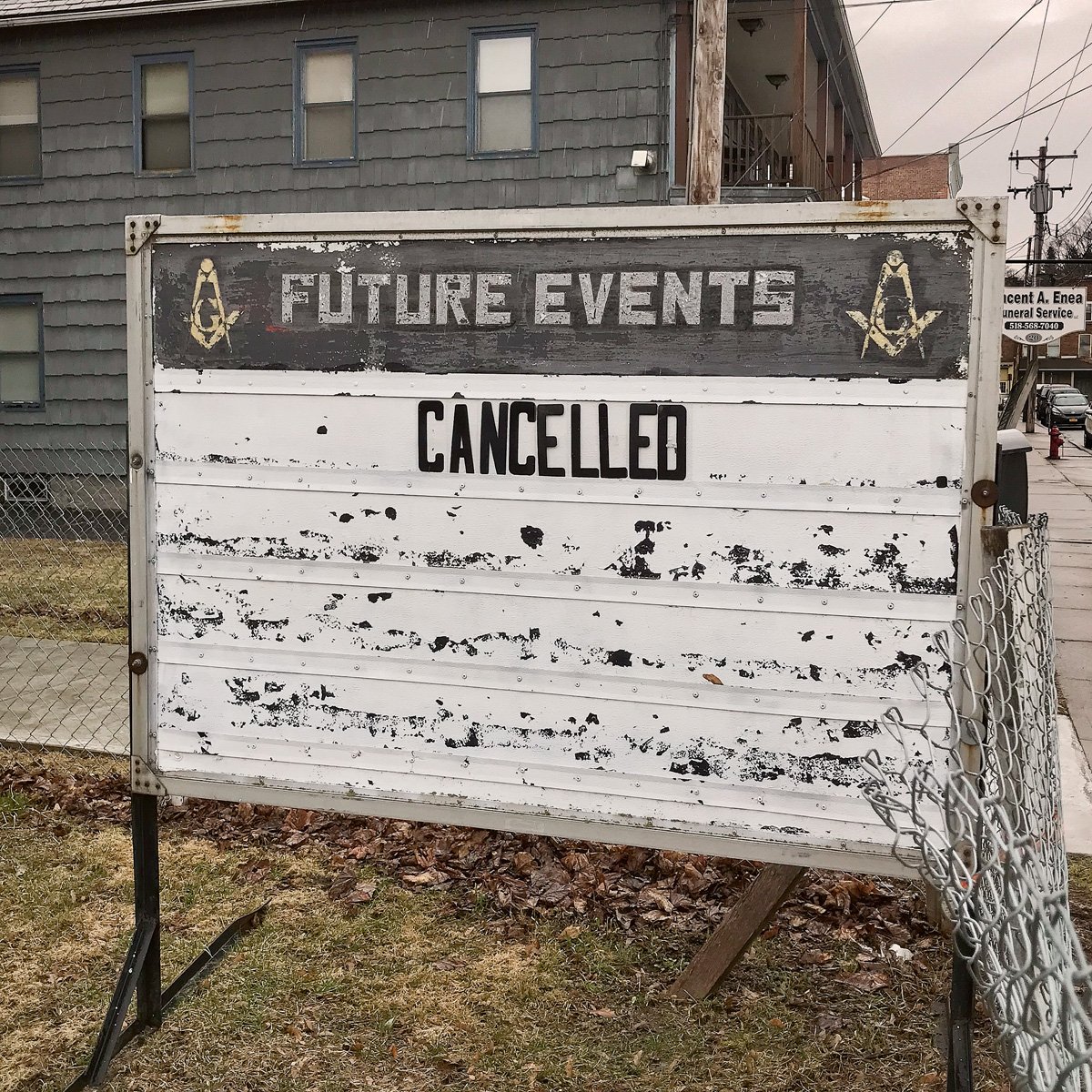
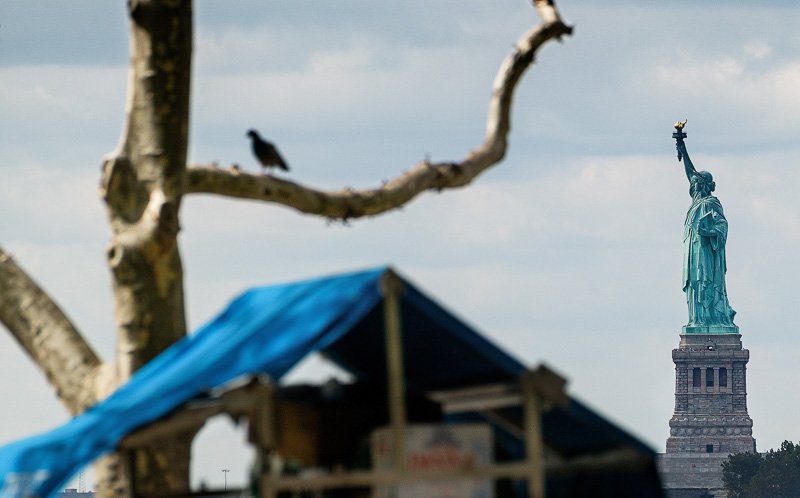
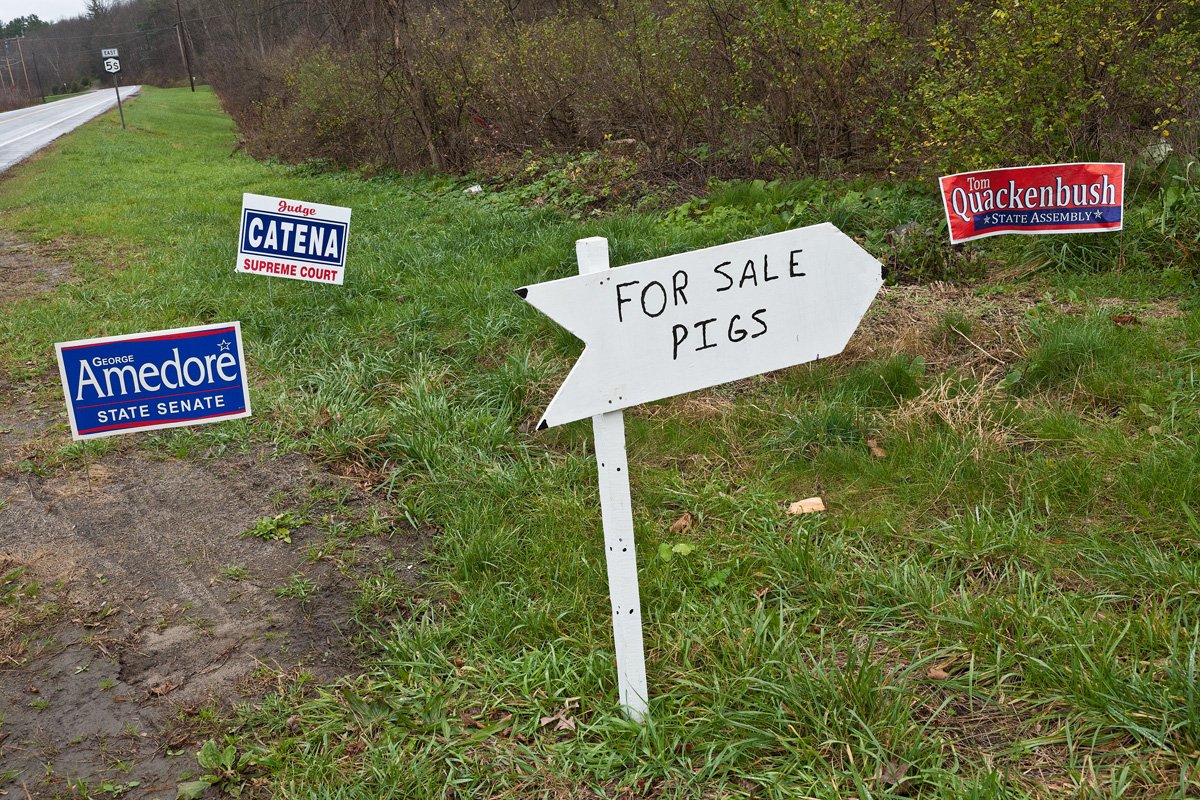
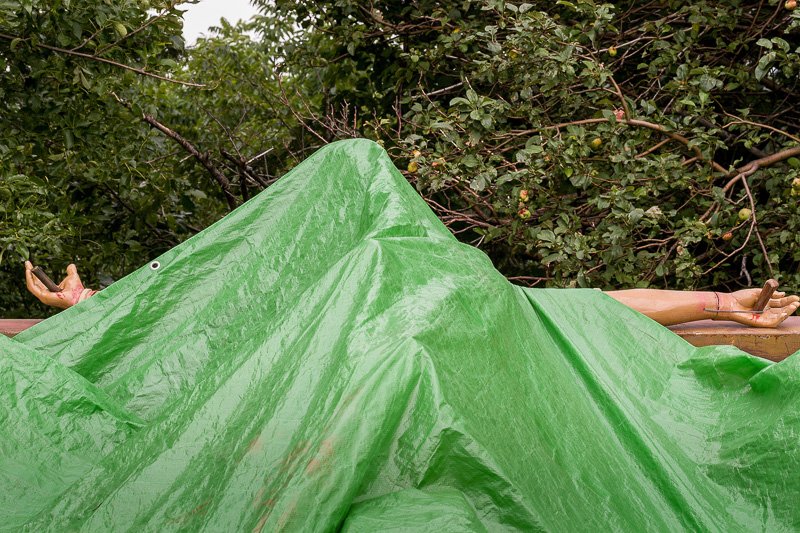
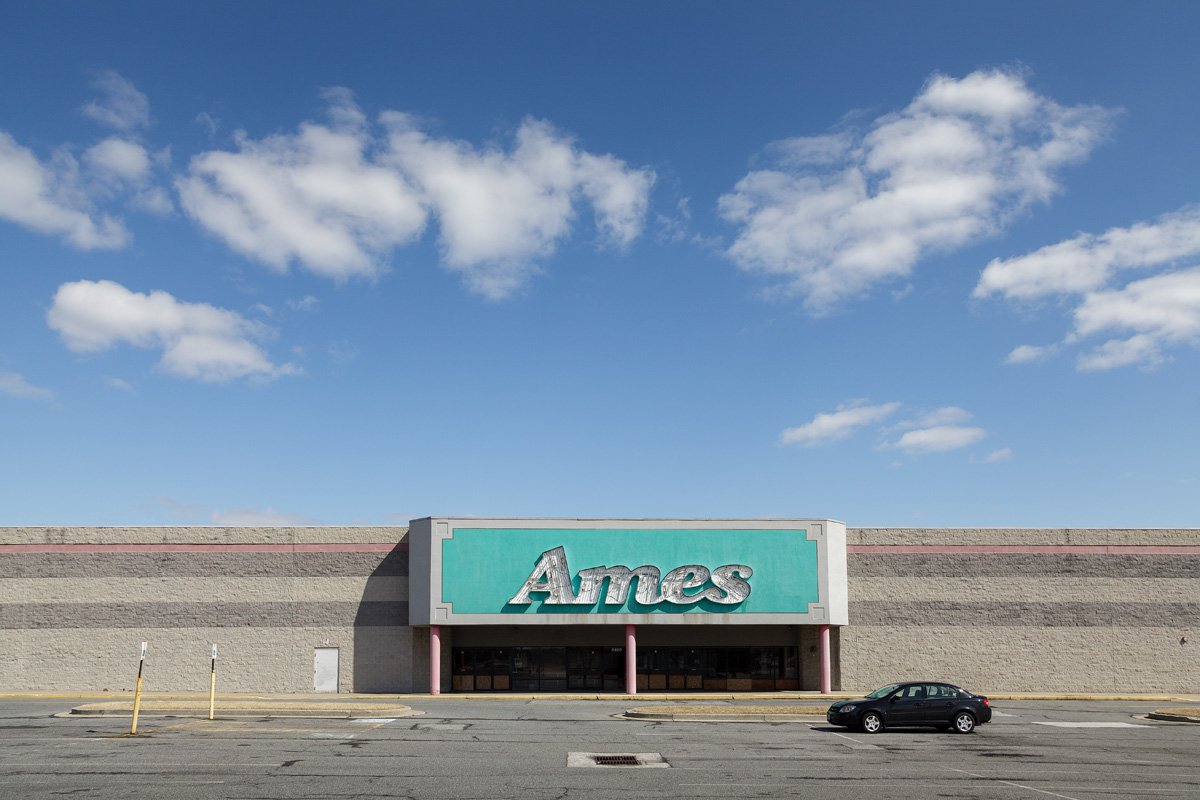
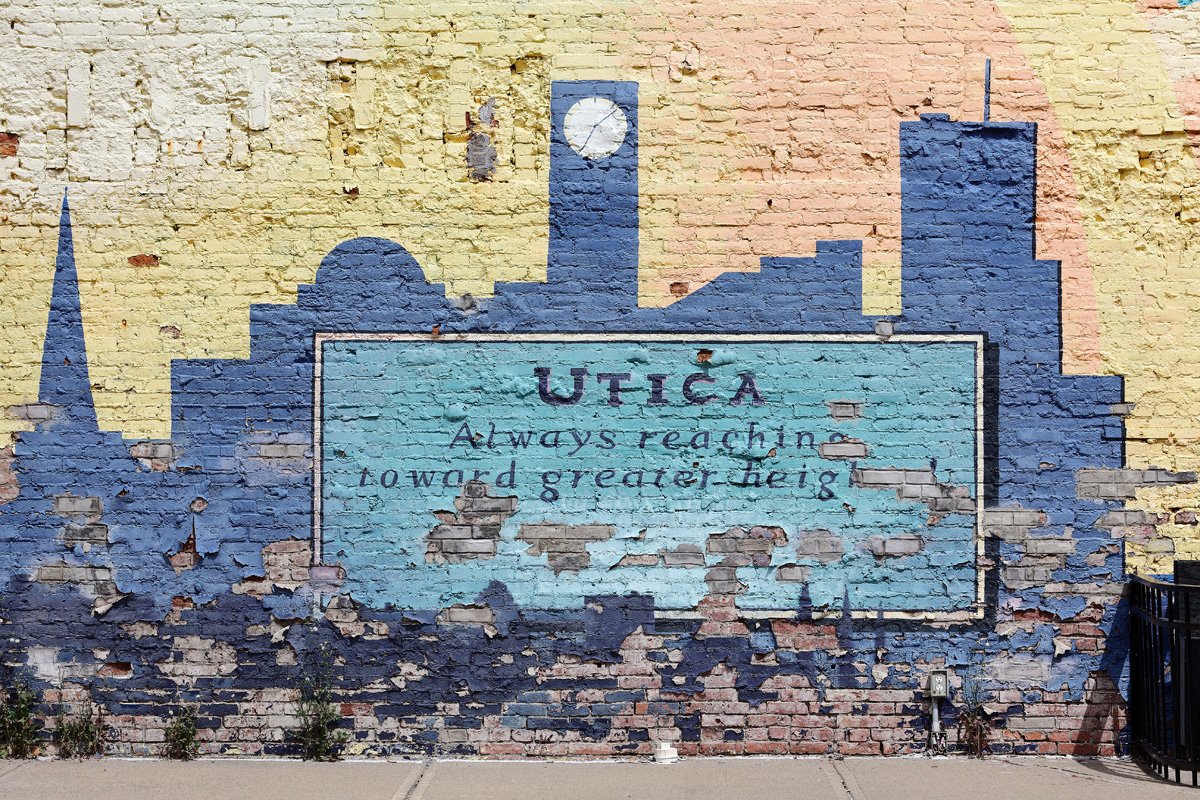
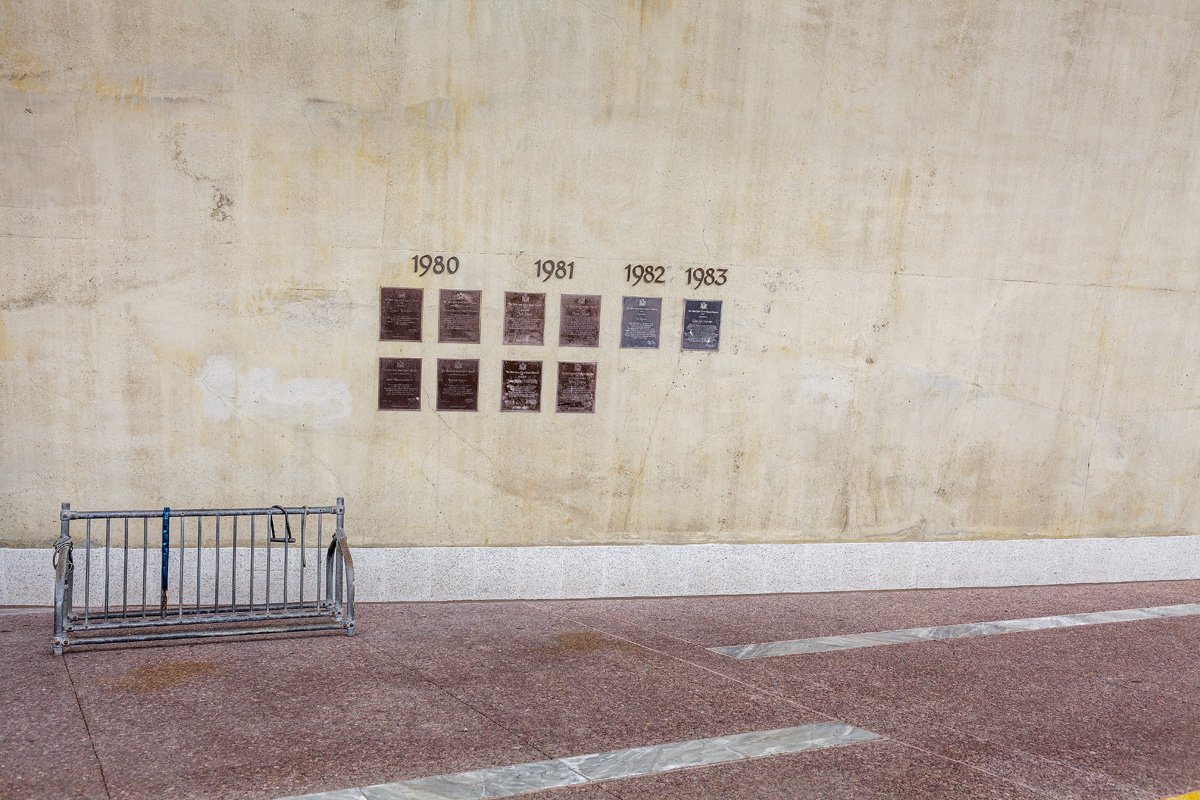
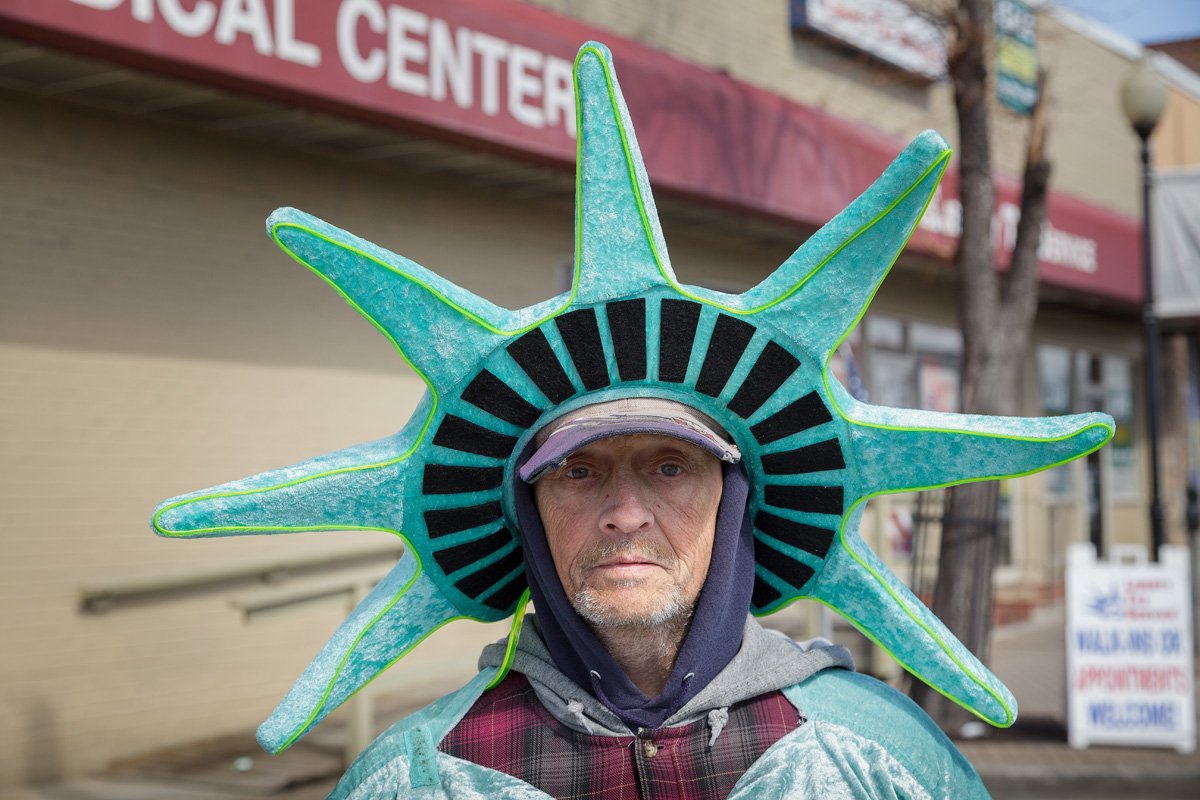
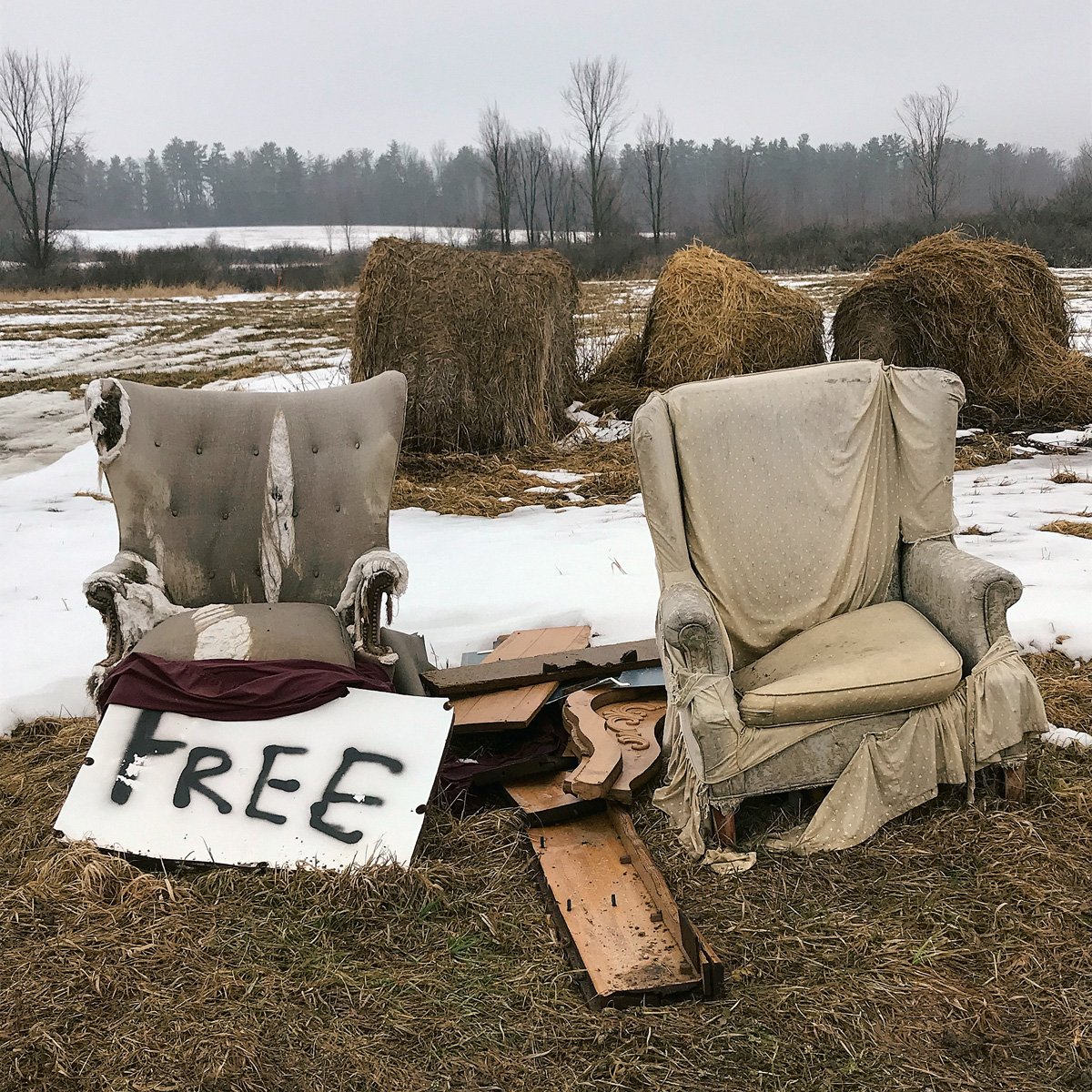
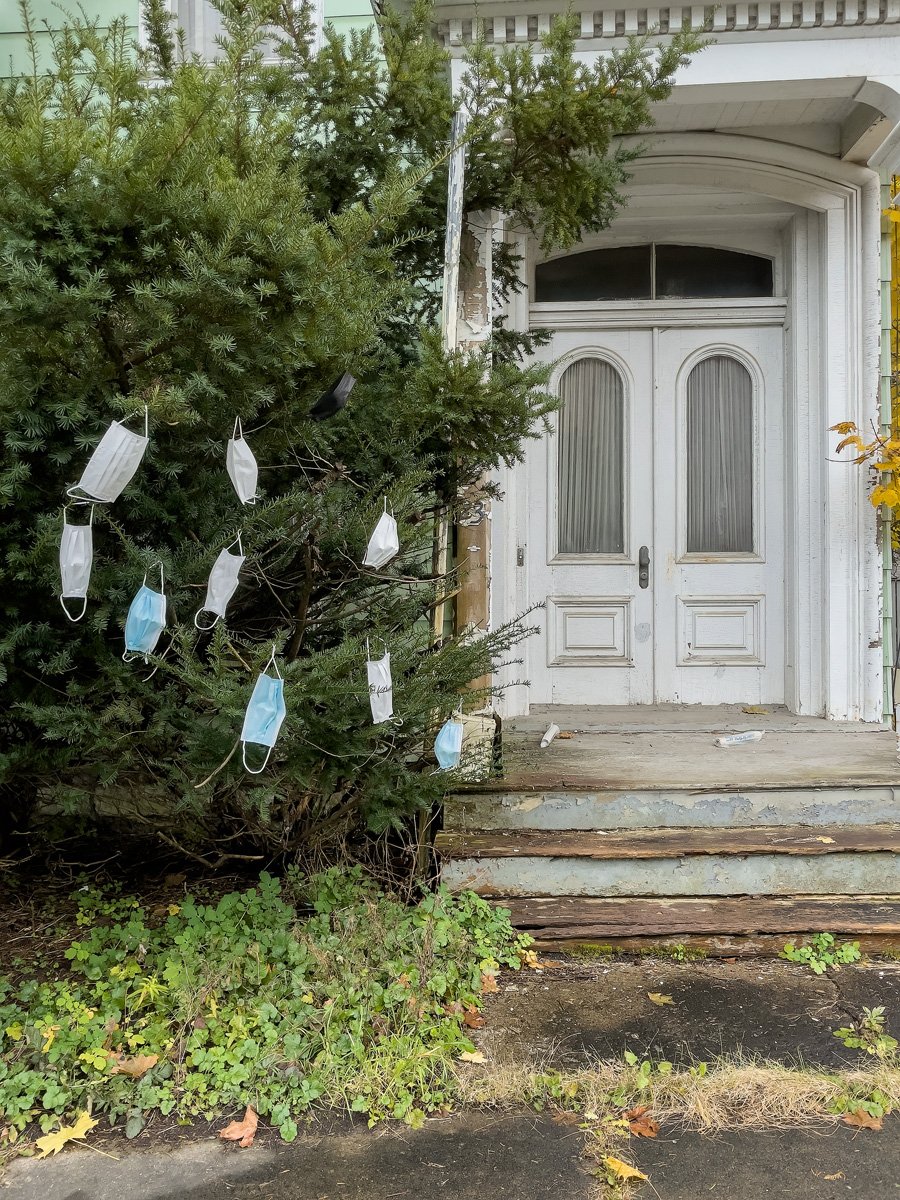
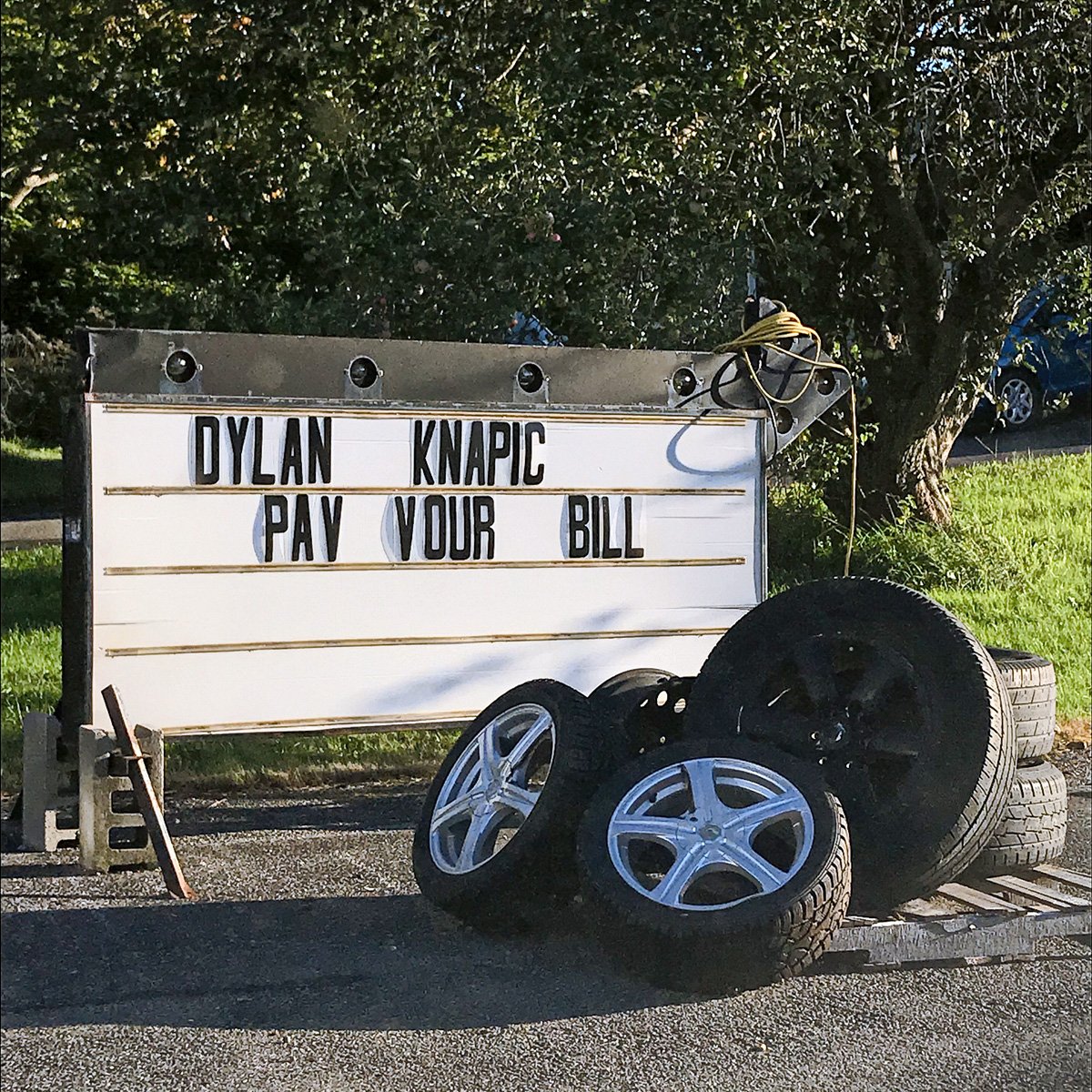
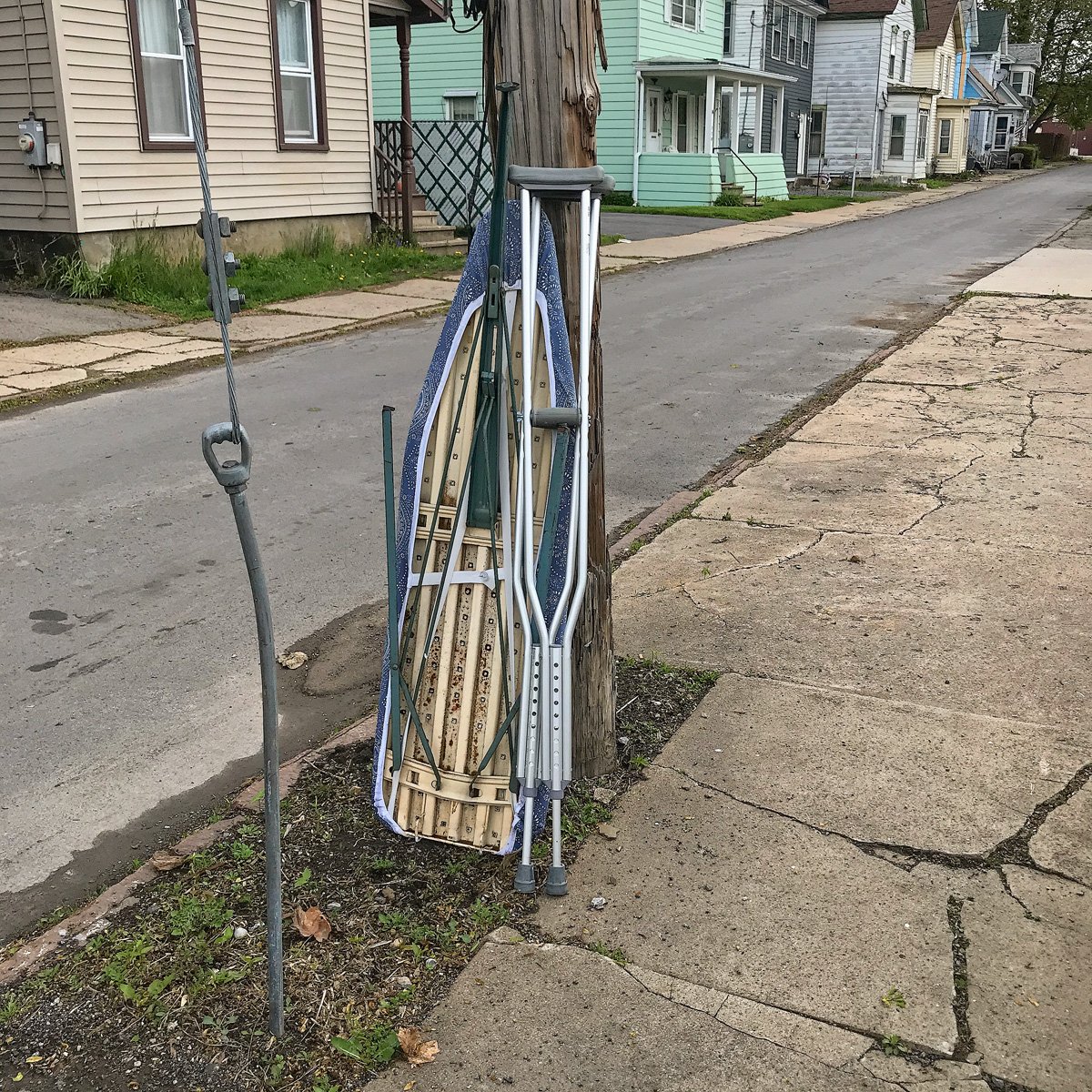
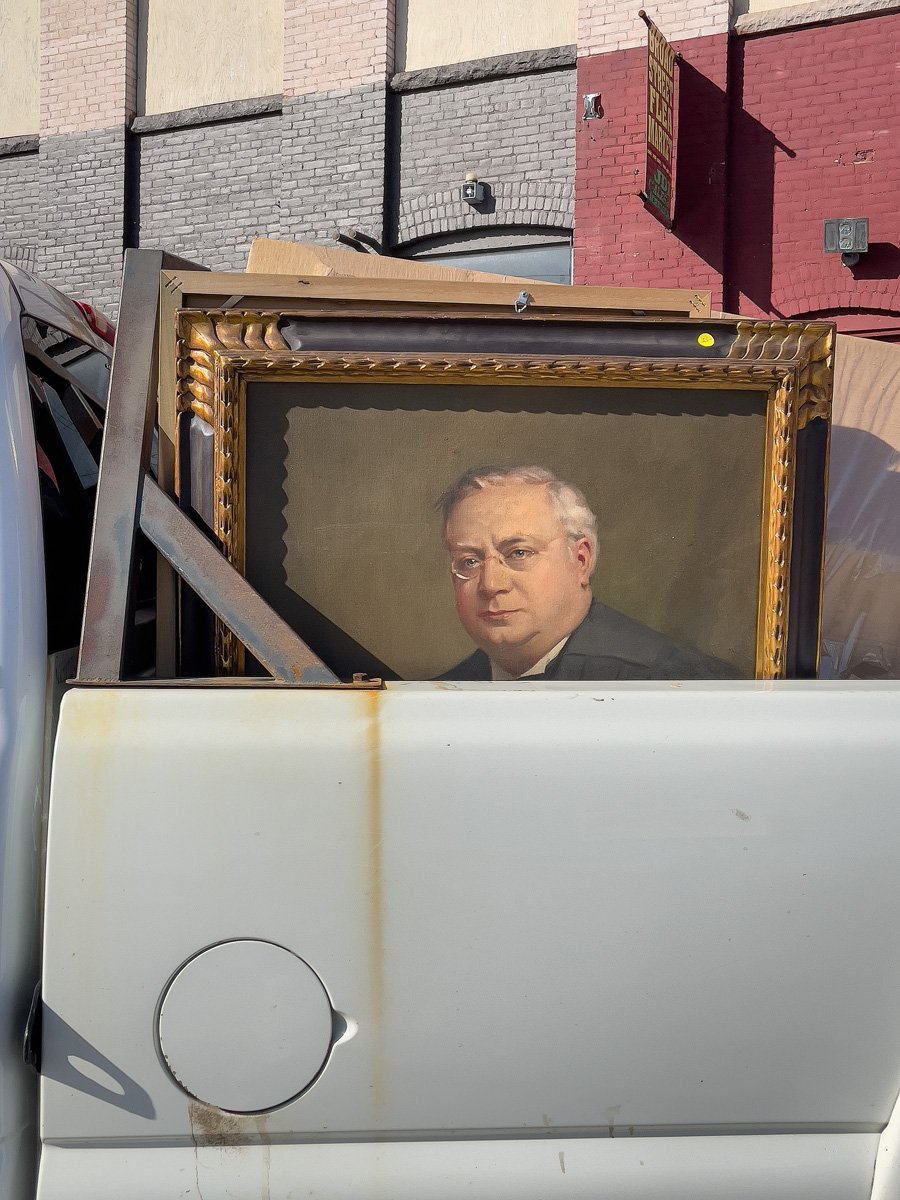
“The images were made in the USA, 2006-2022. It’s a Black Comedy that considers the poignant scars, tangible aspects and extant artifacts that decades of economic decline have left on the landscape. The images are imbued with irony, which may speak to the nature of humor, as a shield to carry in a “fórlorn world”.
As the lyric goes, “I’m laughing to keep from crying”.
For whatever reason, editing the book became nearly a Sisyphean task. It’s like the old saw about the sculptor seeing the figure within the mute block of stone. Ultimately it came down to a yes or no vote on tens of thousands of photographs. This took a tremendous amount of time. it was personally liberating to let the book become what it wanted to be: it would be done when it was done, and not before.”
Phil Scalia is a photographer, artist and educator. Scratch-Off Nation is his third book; he has also published three photo-zines. He has been a featured regional artist at Munson Williams Proctor Museum in Utica, NY. He is a recipient of an Individual Artist Grant from the New Hampshire State Council on the Arts. He has a degree in Philosophy from the University of Wisconsin. He will be having a solo show of photographs at Arkell Museum, Canajoharie, New York, opening in February, 2023.